
- Contact
- Services
Search & SEO
Advertising
Something New
Local Seo Campaigns
Top 5 in map pack in 90 days

Google Ads PPC
Google Ads (PPC)

ChatGpt Ads
Be the hero when someone search plumber in your area
Performance Websites
Top 5 in map pack in 90 days

Pay Per Qualified Lead
Pay only for qualified calls

Site SEO + Link Building
Compete nationally or regionally

Meta Ads
If you want someone to remember you

AI SEO/GEO
Be cited by AI
- Blogs
- About
- Contact
- Services
Search & SEO
Local Seo Campaigns
Top 5 in map pack in 90 days
Performance Websites
Top 5 in map pack in 90 days
Site SEO+Link Building
Compete nationally or regionally
AI SEO/GEO
Be cited by AI
Advertisements
Google Ads PPC
Pay per Click
Pay Per Qualified Lead
Pay only for qualified lead
Meta Ads
If you want someone to remember you
Something New
ChatGpt Ads
Be the hero when someone search plumber in your area
- Resources
Library

Blogs

Service Areas
Latest From Blogs

B2B & Commercial Plumbing Lead Generation: 2026 Guide
August 06, 2026•6 min readB2B and Commercial Plumbing Lead Generation: How to Land Property Managers, GCs, and Repeat Contracts
Search "plumbing lead generation" almost anywhere and you'll get the same advice: rank for "plumber near me," run ads for burst pipes, chase homeowner emergency calls. All useful — if homeowners are your only customer. But if you're trying to land property management companies, general contractors, restaurants, or new-construction developers, that advice barely applies. You're not selling to someone standing in a flooding kitchen. You're selling to a decision-maker evaluating vendors, comparing bids, and thinking about a relationship, not a one-time fix.
Commercial and B2B plumbing lead generation runs on a completely different playbook, and almost nobody writes about it. Here's what actually works.
Why Most Plumbing Lead Generation Advice Only Talks About Homeowners
The gap makes sense once you see why it exists. Residential plumbing has huge search volume — "emergency plumber," "water heater repair near me" — because homeowners search constantly and each one is a new customer. Commercial plumbing leads are lower-volume by comparison, but dramatically higher-value: one property management contract can mean dozens of recurring jobs a year, not a single $300 service call. Marketing content chases search volume, so it defaults to residential. That leaves a real opportunity for plumbing companies willing to build a B2B-specific strategy nobody else is targeting.
Residential vs. Commercial Plumbing Leads: Different Buyer, Different Playbook
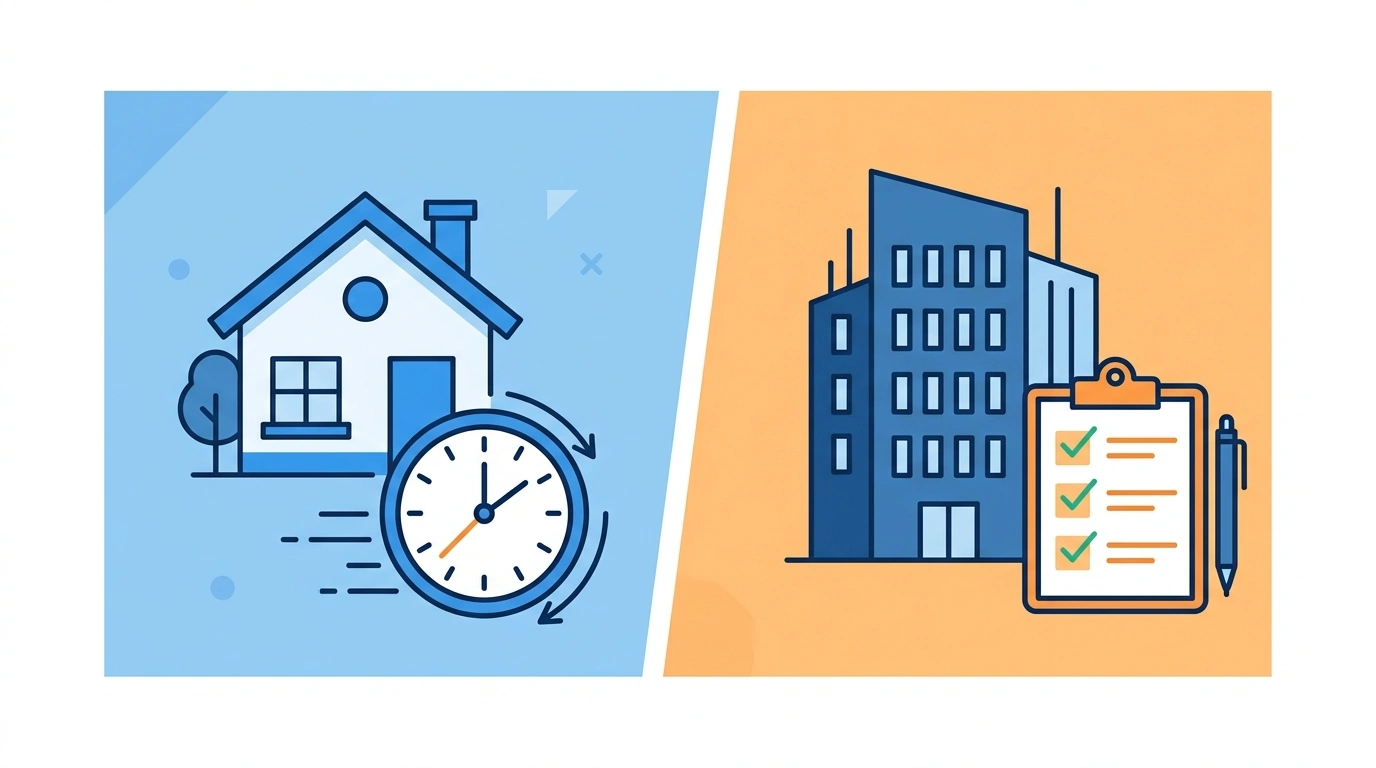
A homeowner with a leaking pipe searches in a panic and books whoever answers first. A property manager evaluating a plumbing vendor is doing something closer to a B2B purchasing decision — checking licensing and insurance, asking about response-time guarantees, comparing pricing structures across multiple bids, and thinking about a long-term relationship across all the properties they manage, not just one job.
That means your marketing needs to shift from urgency-driven ("call now!") to trust and capability-driven: proof of commercial experience, clear service-level commitments, case studies from similar properties, and a sales process that doesn't assume a five-minute decision.
Effective Strategies for Plumbing Lead Generation in the B2B Space
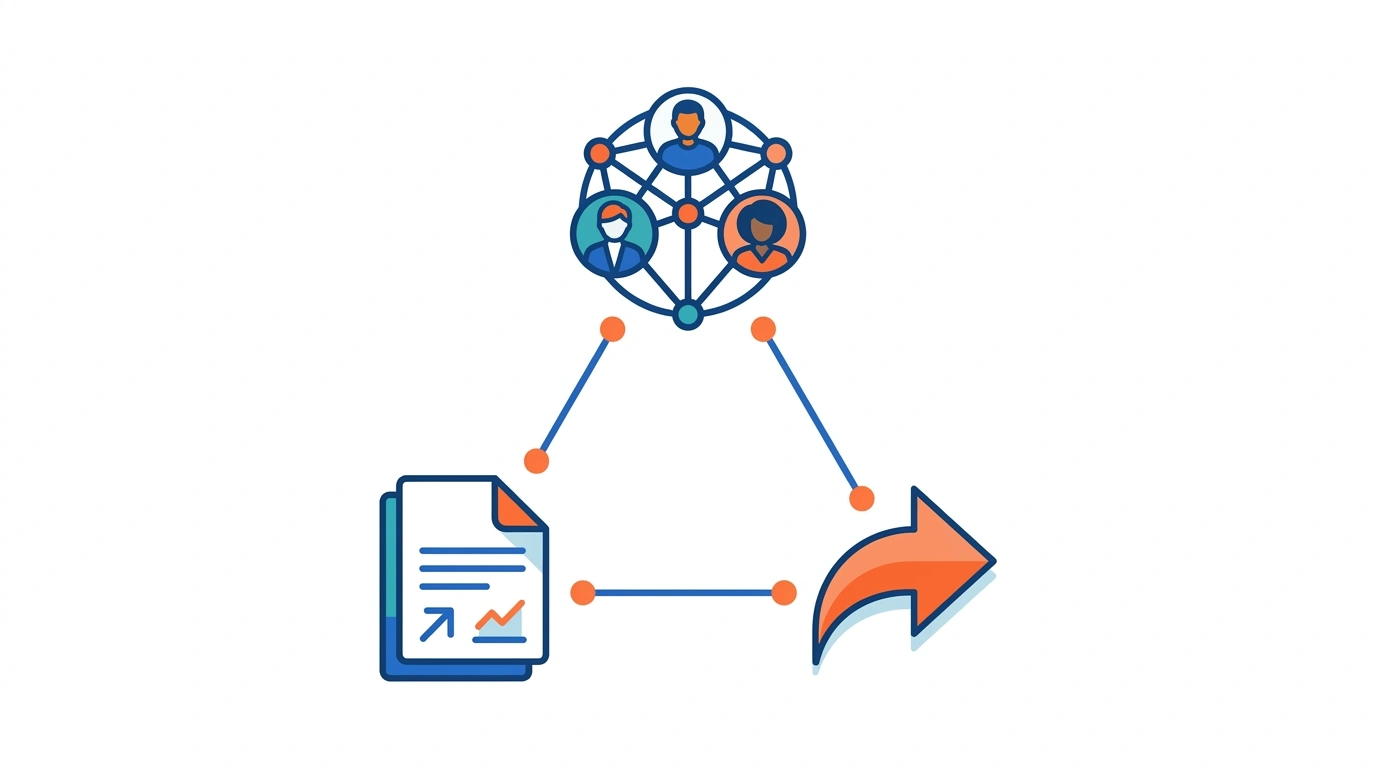
The channels that dominate residential lead gen — Google Ads for emergency searches, local SEO for "near me" terms — still matter, but they're not where B2B decisions get made. Here's what actually moves commercial and B2B plumbing leads:
LinkedIn outreach and content — property managers and facilities directors are active on LinkedIn in a way homeowners never search Google for a plumber-related keyword there. Direct outreach to facilities management titles, paired with content that speaks to their actual pain points (maintenance downtime, vendor reliability), works far better than any ad.
Referral and relationship-based lead generation — commercial plumbing frequently flows through relationships: general contractors who need a reliable subcontractor, property management companies that talk to each other, real estate developers with repeat projects. A structured referral and follow-up system with past commercial clients often outproduces every paid channel combined.
Case studies and proof-of-work content — a residential homeowner rarely reads a case study before calling. A property manager evaluating vendors absolutely does. Documented examples of commercial jobs — multi-unit repiping, restaurant grease trap maintenance, new-construction rough-in work — build the credibility a B2B buyer needs before they'll even take a call.
Direct outreach to general contractors and developers — new construction and major renovation projects need plumbing subcontractors lined up early. Getting on a GC's preferred vendor list before a project starts is worth more than any single ad campaign.
Local Lead Generation for Plumbing Businesses Targeting Commercial Clients
Local lead generation for plumbing businesses doesn't disappear in the B2B world — it just shifts targets. Instead of optimizing purely for homeowner search terms, commercial-focused local lead generation means being visible to the property managers, facilities directors, and commercial real estate firms operating in your specific service area. That means local B2B directories, chamber of commerce and commercial real estate association memberships, and direct visibility with the property management companies and developers actually operating nearby.
Does Google Maps Lead Generation Work for Plumbing B2B? (Yes, Differently)
Google Maps lead generation for plumbing usually gets framed around homeowners finding an emergency plumber nearby. But property managers and facilities staff use Google Maps too — searching for "commercial plumbing contractor" or "plumbing company near [industrial park/commercial district]" when evaluating vendors for a property in a specific area. The difference is what they look for once they land on your profile: not just star ratings, but photos of completed commercial work, clear licensing and insurance information, and service descriptions that explicitly mention commercial and multi-unit capability, not just residential repairs.
Generating Consistent Plumbing Job Leads Using Digital Marketing: Commercial Edition
Generating consistent plumbing job leads using digital marketing in the B2B space means building a pipeline, not chasing individual jobs. That means a website with a dedicated commercial services page (not buried under residential content), LinkedIn content published consistently enough to stay visible to the same facilities managers over months, and a CRM system tracking relationships and contract renewal timing — not just one-time service calls. Commercial contracts often renew annually; missing that renewal window because there was no follow-up system is one of the most common and preventable ways plumbing companies lose recurring B2B revenue.
What the Best Plumbing Lead Generation Services Do Differently for B2B
Most of the best plumbing lead generation services are still built primarily around residential campaigns, because that's where the search volume and easy wins are. If commercial and B2B growth is actually your priority, look for a service that explicitly separates residential and commercial strategy — different landing pages, different ad platforms (LinkedIn versus Google Ads for emergency searches), and different follow-up systems built around longer B2B sales cycles instead of same-day homeowner conversions.
FAQ
Is Google Ads worth it for commercial plumbing lead generation? Less than for residential. Property managers and GCs rarely search in-the-moment the way homeowners do; LinkedIn outreach and referral relationships typically outperform paid search for B2B plumbing leads.
How long does it take to land commercial plumbing contracts through marketing? Longer than residential — often 3-6 months of relationship-building and visibility before a property manager or GC awards a contract, compared to same-day conversions common in residential emergency calls.
Can one plumbing company effectively target both residential and commercial customers? Yes, but it usually requires separate marketing tracks — different landing pages, messaging, and lead follow-up systems — rather than trying to serve both audiences with one generic strategy.
Trying to build a real pipeline of commercial and B2B plumbing clients, not just homeowner calls? See how our system handles both residential and commercial plumbing lead generation with strategies built for each.
best plumbing lead generation serviceslocal lead generation for plumbing businessesplumbing b2b lead generationplumbing lead generation marketingeffective strategies for plumbing lead generationgenerate consistent plumbing job leads using digital marketingBack to Blog
@lwaz
Founder of Plumbing Lead Generation
- About
It's Not About Plumbing Leads, It's About a Plumbing Lead Generation System That Provides Consistent, High-Quality Jobs That Matter to Your Business Growth...
STEP ONE
Let's Build Your Game Plan.
Before we ever recommend SEO...
Google Ads...
A website...
Or automation...
We first need to understand how your plumbing business works.
Answer a few quick questions.
We'll do the homework before the meeting...
So the meeting is actually useful.

@lwaz
Founder
Direct conversations with the founder. No account managers between us.
FROM PIPES TO PIPELINES
We Speak Plumbing.
And We Speak Growth.
Our background started around industrial plumbing systems—not behind a marketing desk.
So we won’t waste your time with marketing jargon. We talk calls, booked jobs, revenue—and the system that produces more of them.

We don’t just generate plumbing leads. We build the system that turns local demand into booked jobs.
⚡ From First Search to Booked Job.
GROWTH SERVICES
Local SEO
Google Business Profile
Optimization
Google Ads
Meta Ads
AI Search & ChatGPT Ads
Reputation Management
CRM & Automations
Lead Reactivation
Performance Websites
RESOURCES
Growth Audit
About
Contact